Which Organ Is Primarily Responsible for Maintaining Fluid Balance
The kidney is the most important organ in the body when it comes to maintaining fluid balance. Materials travel between cells and the plasma in capillaries through the IF.

Water Balance Boundless Anatomy And Physiology
The hormones that regulate fluid balance are tightly controlled through a region of your brain called the hypothalamus.

. The inner ear known as the labyrinth contains two primary structures. The organ of balance the vestibular system is found inside the inner ear. Body fluids are mainly water and electrolytes and the three main organs that regulate fluid balance are the brain the adrenal glands and.
According to Nursing Standard approximately 60 percent of the human body is water and body water contains electrolytes. As shown in Table PageIndex1 daily water output averages 2500 milliliters. However everyone excretes unique amounts of urine because this is dependent on a number of factors such as thirst habit access to.
Stimulates the thirst mechanism. Difference between osteoblasts and osteoclasts related to bone health. They constantly help maintain fluid balance by either excreting or retaining the fluid we consume.
A neurohypophysial hormone found in most mammals that is responsible for increasing water absorption in the collecting ducts of the kidney nephrons. Panc reas b smal 1 intes tine C. On a day-to-day basis water intake should be balanced with water loss.
What organ is primarily responsible for monitoring and maintaining fluid balance. The semicircular canals and the otolith organs are filled with fluid. Osmotic activity of plasma proteins is important in maintaining fluid balance between the interstitial and intravascular space helping hold water within the vascular system.
A small amount of additional water is generated by metabolic activity. Which organ is primarily responsible for maintaining fluid balance. A kidneys B liver C pancreas D small intestine.
There are two types of outputs. It is made up of three semicircular canals and two otolith organs known as the utricle and the saccule. It is responsible for eliminating waste and excess water.
Electrolytes help to regulate myocardial and neurological functions fluid balance oxygen delivery acidbase balance and much more. The digestive system is the primary source of water gains. See full answer below.
The interstitial fluid IF is part of the extracellular fluid ECF between the cells. Which organ is primarily responsible for maintaining fluid balance. Water is lost through the skin through evaporation from the skin surface without overt.
CHAPTER 20 Maintaining fluid electrolyte and acidbase balance Michelle Cowen Debra Ugboma Introduction 575 Fluid in the body 576 Fluid compartments 576 Electrolytes in the body 576 Water and electrolyte homeostasis 577 Maintaining fluid and electrolyte balance 577 Regulation and adjustments of ECF volume osmolality and sodium 578 Fluid and electrolyte. The maintenance of normal fluid balance involves regulating the content and distribution of body water in the ECF and the ICF. Stud ent Res pons e a.
Its situated at the base of the brain and acts as the control center for various hormones that regulate a wide variety of physiological processes including salt and water balance. Fluid Electrolyte Acid-Base Balance. The kidneys are responsible for maintaining and regulating volume and osmolality.
A corticoid hormone that is secreted by the adrenal cortex that regulates the balance of sodium and potassium and thus the water-balance levels in the body. Increased concentration of solutes in the blood. Colloid Osmotic Pressure aka colloid oncotic pressure.
The most serious electrolyte disturbances involve abnormalities in the levels of sodium potassium andor calcium. When we drink water the gastrointestinal tract absorbs it and the kidneys excrete it as urine. The intracellular fluid ICF is the fluid within cells.
Figure 2612 Fluid Compartments in the Human Body. Suspended by fluid perilymph within the. _____ is primarily responsible for maintaining the balance of water in the body and is regulated by the kidney.
Which organ is primarily responsible for maintaing fluid balance. The kidneys are the organ primarily responsible for maintaining fluid balance. During digestion the kidneys are responsible for extracting certain minerals and maintaining proper fluid balance.
When you have too much or too little fluid in your body you produce. It is also essential to our sense of balance. Free radicals are formed as a by-product of healthy____.
The kidneys are primarily responsible for maintaining fluid balance in your body. The labyrinth or inner ear see figure 1 is encased in bone called the bony labyrinth. Lean tissue contains a greater percentage of fluid compared with fat tissue.
It is the kidneys job to control fluid and electrolytes. When ADH is released it signals the kidneys and they know not to release water. The kidneys can regulate water levels in the body.
Kidneys work to keep the electrolyte concentrations in the blood constant despite changes in the body. Blood plasma is the second part of the ECF. Know the roles of ADH and aldosterone in maintaining fluid balance.
The ear is a sensory organ that picks up sound waves allowing us to hear. A balance between fluids and electrolytes is necessary if cells are to survive and function normally. The cochlea responsible for hearing and the vestibular apparatus responsible for maintaining balance stability and spatial orientation.
They conserve water if you are dehydrated and they can make urine more dilute to expel excess water if necessary.
Electrolyte Balance Boundless Anatomy And Physiology
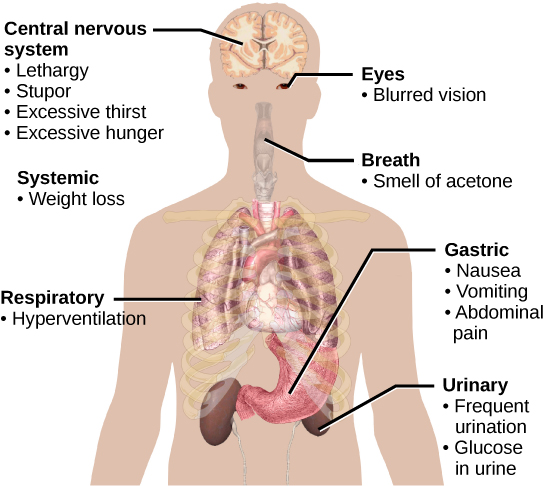
18 3 Regulation Of Body Processes Concepts Of Biology 1st Canadian Edition
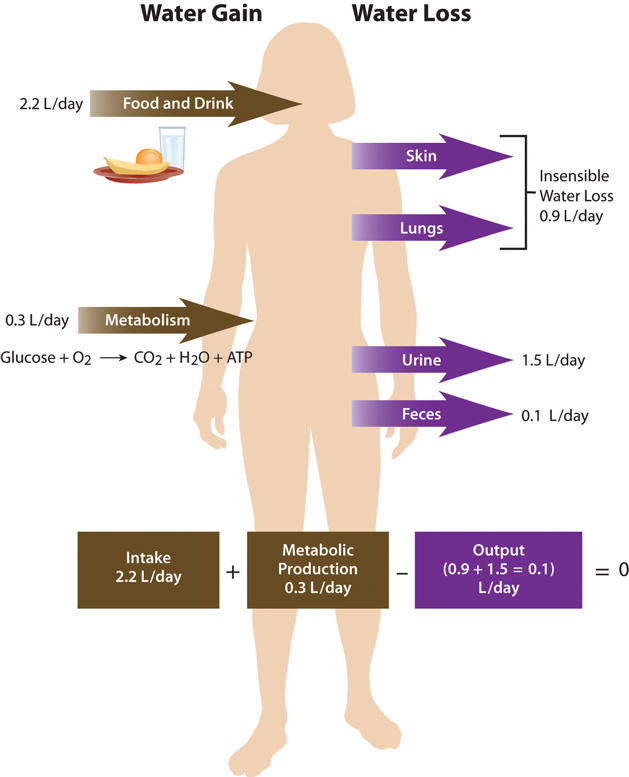
Regulation Of Water Balance Human Nutrition Deprecated


Comments
Post a Comment